
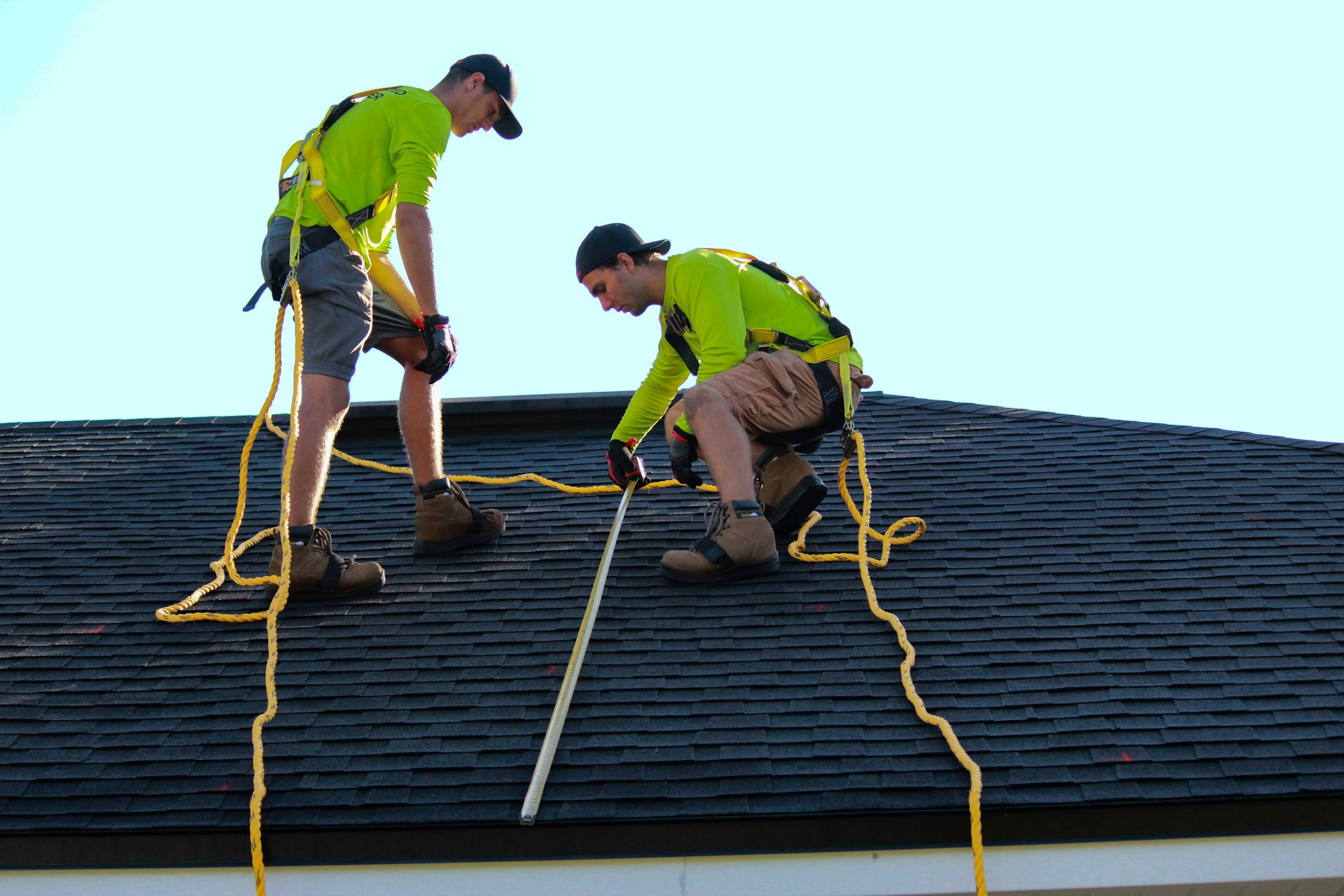
Storms can strike without warning, leaving roofs vulnerable to damage that may not be immediately obvious. Many homeowners rush to call contractors, but understanding the extent of damage beforehand is crucial. Proper assessment allows you to communicate clearly with professionals, document potential insurance claims, and prioritize urgent repairs. Roof repairs are an essential part of home maintenance, ensuring that your property remains safe, weatherproof, and structurally sound. Addressing issues early, whether it’s a few damaged shingles, a leaking gutter, or minor flashing problems, can prevent more extensive and costly damage down the line. A systematic approach reduces unnecessary costs and ensures safety.
Inspecting From the Ground First
Before climbing onto your roof, start with a ground-level inspection. Look for visible signs such as missing shingles, dents on metal surfaces, and scattered debris. Examine gutters, downspouts, and nearby structures for impact marks. Trees and branches often indicate where damage may have occurred. Taking clear photos from different angles not only helps you understand the problem but also serves as documentation for insurance purposes. This initial assessment is your first line of evaluation and helps identify areas needing closer inspection.
Identifying Shingle and Tile Damage
 Shingles and tiles often sustain the most visible damage during storms. Look for missing, cracked, or curled shingles. Granule loss on asphalt shingles can indicate a strong hail impact. Tiles may crack or break entirely. Pay attention to areas around chimneys, vents, and skylights, as they are prone to damage due to high wind pressure. Minor damage may appear superficial but can lead to leaks over time. Noting these issues allows contractors to provide more accurate estimates and prioritize urgent repairs.
Examining Flashing and Roof Seals
Flashing and seals protect roof joints from water intrusion. Inspect flashing around chimneys, vents, and valleys. Bent, lifted, or missing flashing compromises the roof’s integrity. Check for gaps or sealant failures that could lead to leaks. This step is often overlooked but is critical because water penetration at these points can cause interior damage long before the shingles show problems. Highlighting compromised flashing helps your contractor focus on areas that prevent further damage.
Checking Gutters and Drainage Systems
Storms often clog gutters with leaves, branches, and debris. While cleaning them, inspect for dents, sagging, or detachment from the roofline. Proper water flow reduces stress on the roof and prevents secondary damage such as water pooling or foundation issues. A gutter inspection can reveal hidden impacts that may not be visible on the roof itself. Keeping gutters functional is a preventative measure that complements roof repairs.
Assessing Interior Signs of Damage
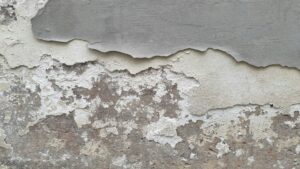 Don’t limit your inspection to the exterior. Look inside the attic and ceilings for water stains, damp spots, or mold growth. Examine insulation for wet areas. Leaks often manifest internally before they are visible outside. Early detection inside the home allows quicker repair and limits structural damage. Interior inspection also provides supporting evidence for insurance claims, showing the full extent of the impact. This is very important that some often neglect.
Documenting All Findings Clearly
Record all observations with photos and detailed notes. Capture both close-up and wide-angle shots to provide context. Note the locations, types of damage, and potential urgency. Organize this information in a way that makes it easy to share with a roofing contractor or insurance adjuster. Clear documentation ensures the repair process is efficient and helps avoid disputes over the extent of damage. Being thorough and methodical creates a reliable foundation for professional evaluation.
Prioritizing Repairs and Next Steps
After completing your assessment, categorize damage into urgent and non-urgent repairs. Leaks, broken flashing, or structural compromise should be addressed immediately. Cosmetic damage, while important, may be scheduled later. Having a clear understanding of priorities helps your contractor plan effectively and provides you with realistic expectations for cost and timeline. This approach not only streamlines repairs but also reduces stress and prevents unnecessary emergency calls.
If you need to check the roof directly, prioritize safety. Wet or storm-damaged surfaces are slippery and unstable. Use a sturdy ladder on level ground and have someone assist if possible. Wear shoes with good traction and avoid stepping on loose shingles or tiles. For steep or high roofs, consider professional inspection rather than risking injury. Safety is paramount, and even a minor misstep can cause serious accidents. Ensuring your safety is the first step before assessing the roof structure itself.