
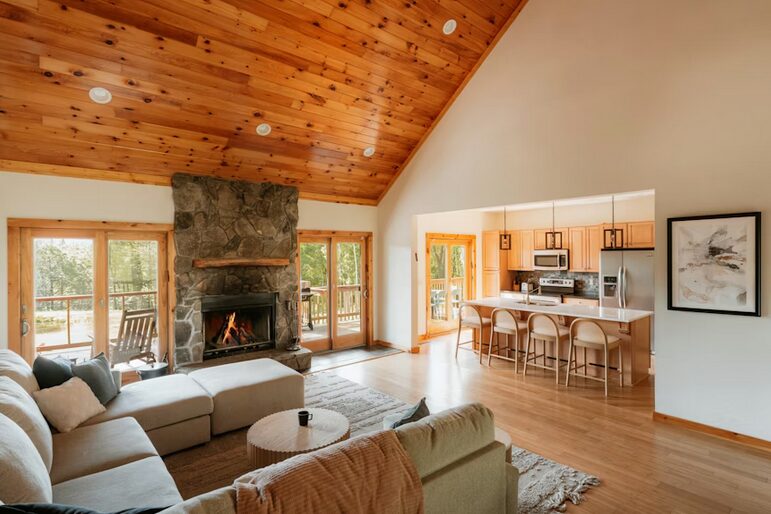
For decades, home layouts were defined by walls—solid dividers that told each room exactly what it was meant to be. Kitchens were closed off, living rooms were formal, and hallways connected everything in between. Modern homes challenge that idea. Today’s layouts are about flow, flexibility, and spaces that adapt to real life. When walls do less, homes often feel larger, brighter, and more connected, reflecting how people actually live rather than how rooms were traditionally labeled.
Open Plans and Everyday Living
One of the biggest shifts in modern design is the move toward open-plan living. Removing internal walls between kitchens, dining areas, and living rooms creates a shared space that feels more social and relaxed. Cooking, working, and spending time together can happen at once, without anyone feeling cut off. This approach suits busy households and makes entertaining easier, as conversations and movement flow naturally through the space.
Light Instead of Barriers
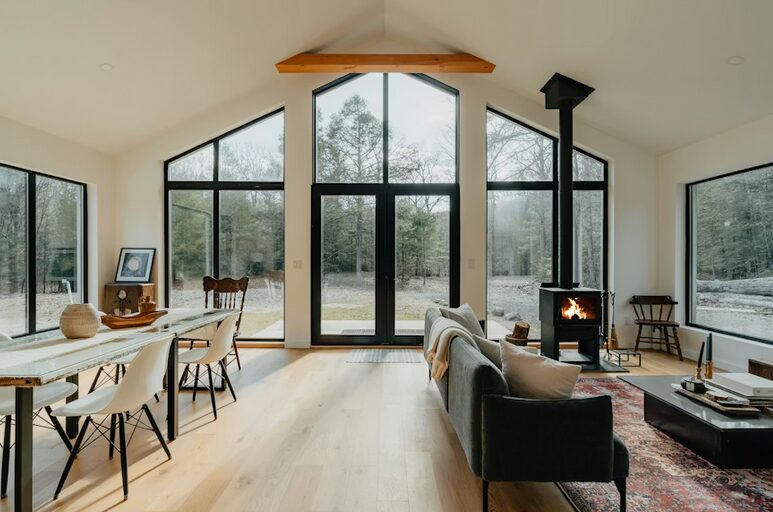
Walls don’t just divide rooms—they also block light. When fewer walls are used, natural light can travel deeper into the home, making spaces feel more welcoming throughout the day. Many homeowners work with an aluminium doors and windows supplier to introduce larger glazed openings that replace solid partitions, allowing daylight to define zones instead of hard boundaries. The result is a home that feels brighter and more open without losing a sense of structure.
Flexible Zones Instead of Fixed Rooms
Modern layouts often focus on zones rather than rooms with single purposes. A dining area might double as a workspace, or a living area might shift depending on the time of day. Without walls dictating strict uses, furniture, lighting, and flooring help define how a space functions. This flexibility is especially valuable as lifestyles change, allowing homes to evolve without major renovations.
Privacy Without Full Separation
Doing less doesn’t mean walls disappear completely. Instead, designers are finding creative ways to suggest separation without closing spaces off. Sliding doors, partial partitions, and changes in ceiling height can offer privacy when needed while keeping the overall layout open. These softer divisions make homes feel balanced, offering quiet moments without returning to a boxed-in feel.
A Sense of Flow and Movement
When walls are reduced, movement through a home becomes more intuitive. Sightlines extend from one end of the space to the other, creating a sense of calm and order. This flow can make even smaller homes feel more spacious, as the eye isn’t constantly stopped by solid barriers. The experience of moving through the house becomes smoother and more connected, which adds to everyday comfort.
Design That Reflects Modern Life
Rethinking walls is really about rethinking how homes support modern life. People want spaces that feel relaxed, adaptable, and full of light rather than rigid and formal. Open layouts reflect a desire for connection, whether that’s between family members or between indoors and outdoors. When walls do less, design focuses more on experience than on strict rules.
Modern homes are proving that walls don’t need to do all the work they once did. By reducing unnecessary barriers, layouts become more flexible, brighter, and better suited to everyday living. Open spaces, adaptable zones, and thoughtful design choices allow homes to feel both functional and inviting. When walls step back, the way people live, move, and connect within their homes can truly come forward.